


Transportation is essential for holding a job, getting to school, seeing the doctor, and visiting family and friends.
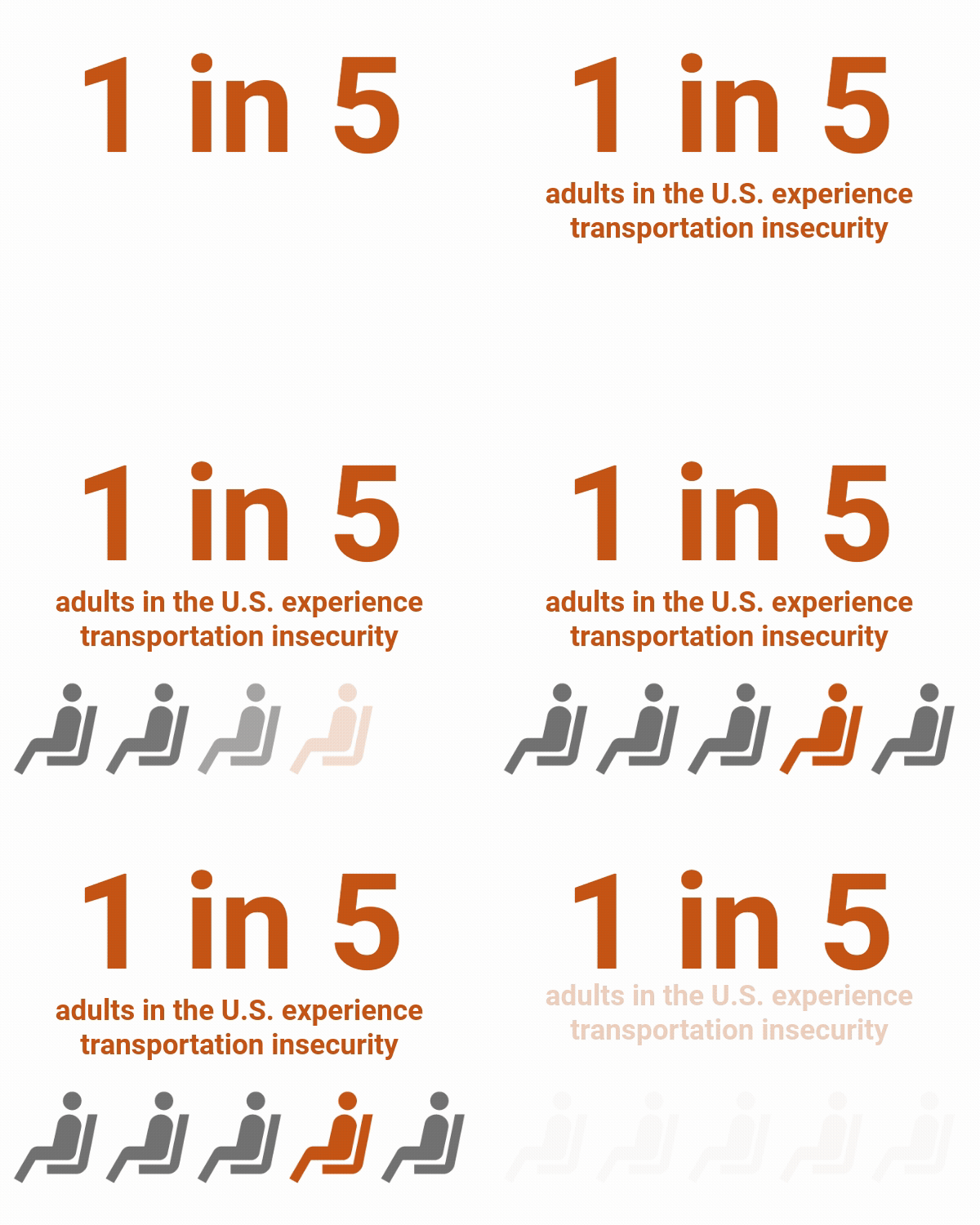
Yet 1 in 5 people in the U.S. experience transportation insecurity, making it a leading form of material hardship.
Developed by University of Michigan researchers and modeled after the Food Security Index, the Transportation Security Index is the first validated measure of transportation insecurity—the experience of being unable to regularly move from place to place in a safe or timely manner because of a lack of resources needed for transportation.
Fast Facts
Transportation Insecurity in the United States, 2022
BY population
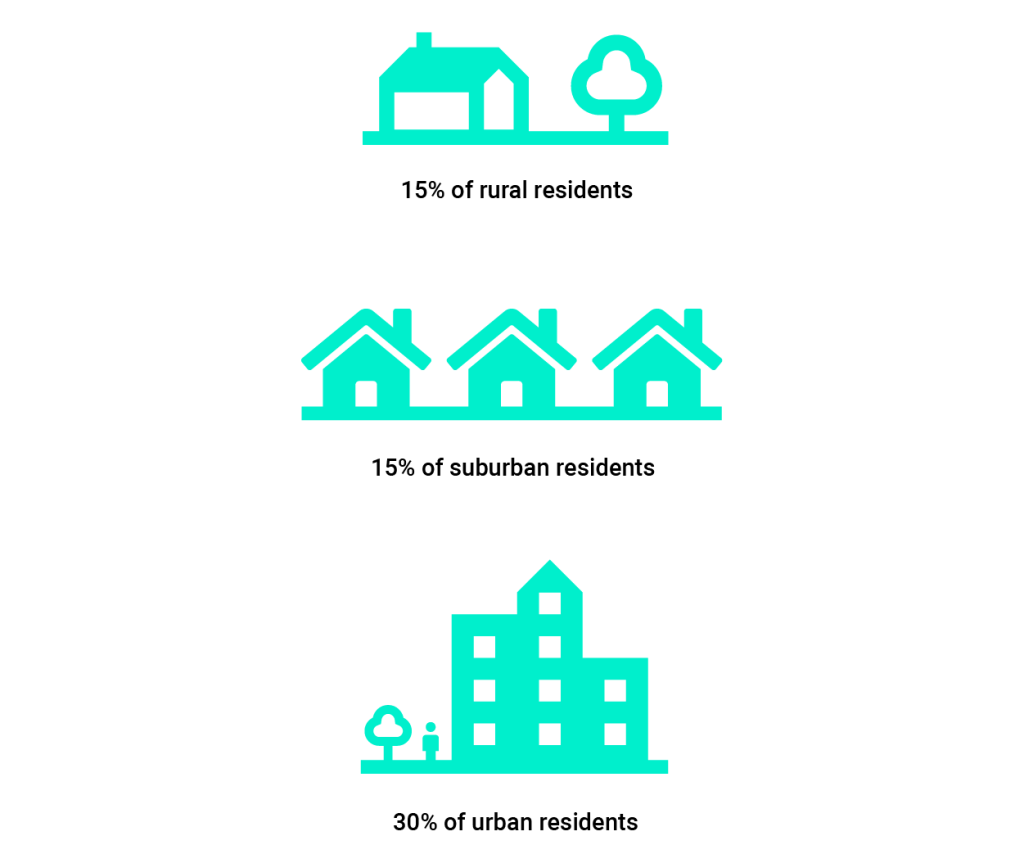
by location
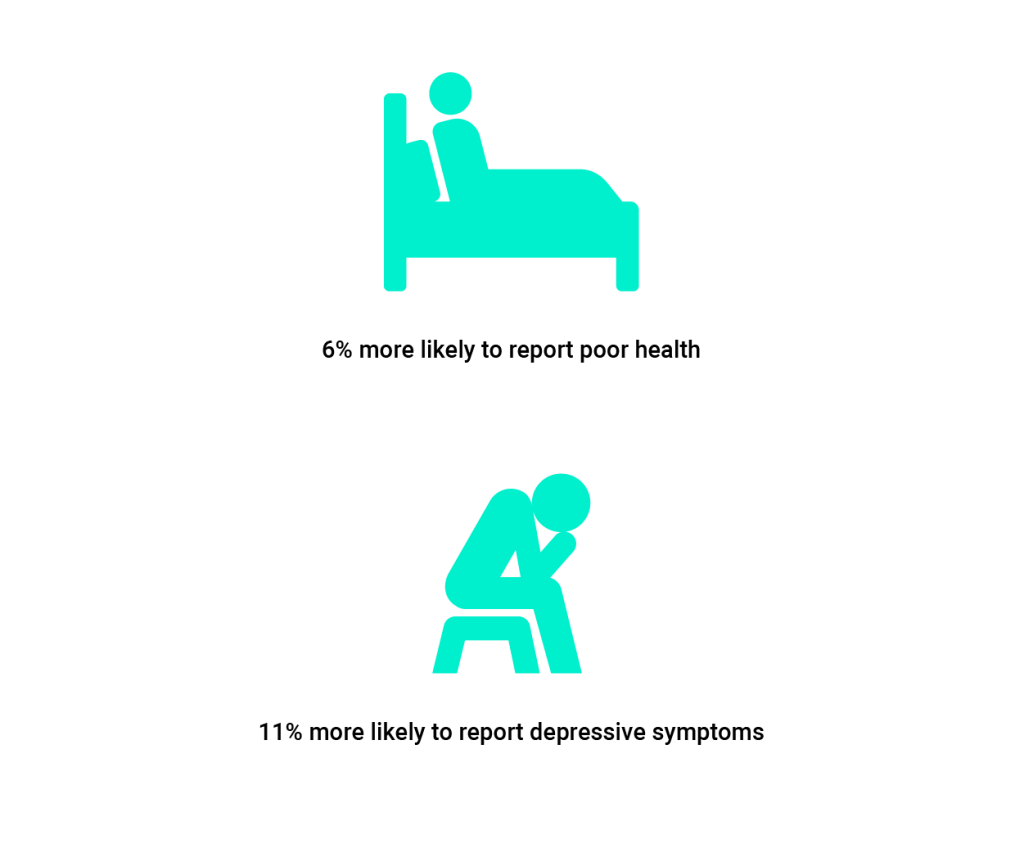
ASSOCIATION WITH HEALTH OUTCOMES
Similar to food insecurity, adults experiencing transportation insecurity are more likely to report poor health outcomes
compared to other material hardships
Percent of adults experiencing transportation insecurity and other forms of material hardship
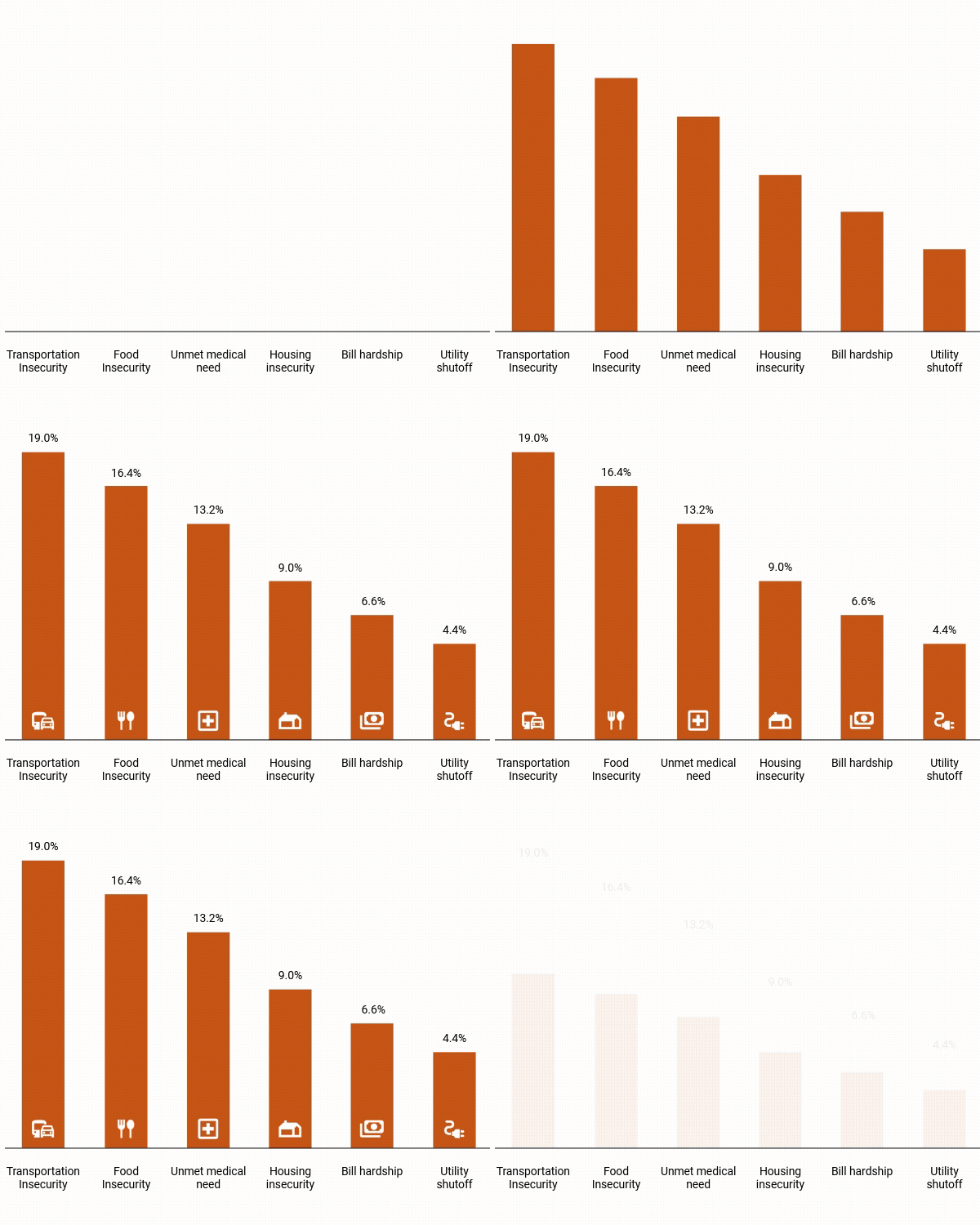
SOURCE: Murphy, A.K. et al, How Does Transportation Insecurity Compare and Relate to Other Indicators of Material Hardship in the U.S.?, Social Indicators Research (2025).
Transportation insecurity has long deserved greater scholarly and policy attention. This issue is even more pressing today as the cost of car ownership keeps climbing and our public transit agencies face great fiscal uncertainty. At the same time, millions of people in the United States are on the cusp of losing crucial government benefits while the price of everyday items is rising. Figuring out how to protect those most vulnerable is urgent.
ALEXANDRA K. MURPHY
Mcity Associate Director for Social Science Research and co-creator of the Transportation Security Index