Baltimore Area Survey Logo
Local Context

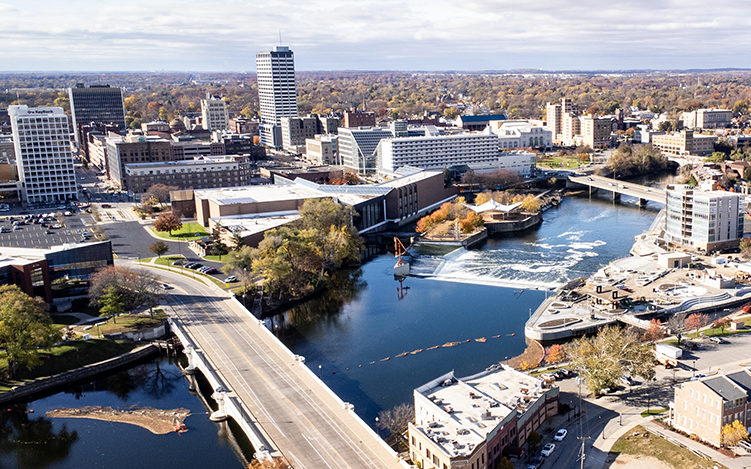
A Portrait of Baltimore

Results show that one third of Baltimore-area residents experienced at least one symptom of transportation insecurity, with residents in the city more likely to experience such symptoms than those in the county. Residents of color were two times more likely to experience at least one symptom than White residents, a pattern that was consistent across the city and the county.

DOWNLOAD REPORT

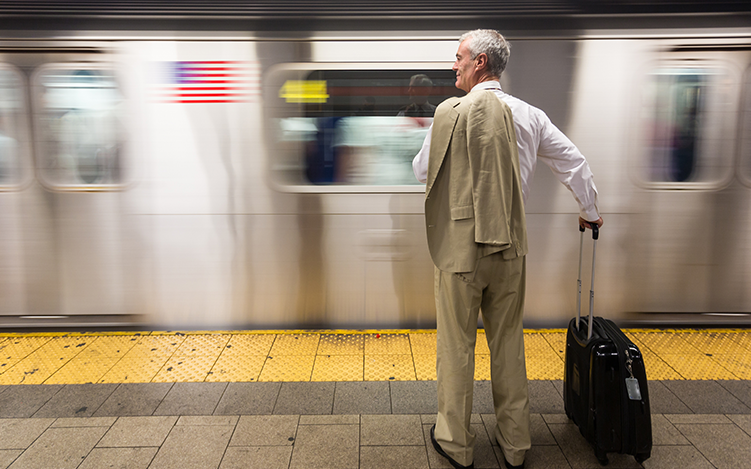
Man looking at moving subway
Academic Articles

A Driver in Health Outcomes: Developing Discrete Categories of Transportation Insecurity

A paper published in the American Journal of Epidemiology uses an inductive, mixed methods approach to identify, using the TSI-16, five categories of transportation insecurity (secure, marginal, low,  moderate, high). Demonstrating the usefulness of these categories for research and screening, analyses of 2018 nationally representative data demonstrate that there exists different nonparametric associations between transportation insecurity and two distinct health outcomes. Whereas there was a threshold relationship between self-rated health and any level of insecurity, the risk of depressive symptoms showed a  non-linear dose-response relationship with severity of transportation insecurity.

READ JOURNAL ARTICLE

South Bend
Evaluation & Policy

Evaluation of the South Bend’s Free Transportation Benefits Program

In 2021 the City of South Bend, in partnership with the United Way, launched the Community Nonprofit Partner Program (CNPP). An expansion of the city’s Commuter Trust Program, CNPP provides free transportation benefits (bus passes, ride shares) to clients of local social service providers.. An evaluation of the program shows that, among other findings, the transportation insecurity of program participants improved by 19.6% up to six months after enrolling in the program, demonstrating the program’s effectiveness in improving participants’ overall transportation situation. 

READ FINAL REPORT

Busy subway station
Academic Articles

Transportation Insecurity in the United States: A Descriptive Portrait

An article published in Socius is the first to document the prevalence of transportation insecurity in the U.S. Findings show that in 2022, 1 in 4 people in the U.S. over the age of 25 experienced transportation insecurity; more than half (53%) of those living below the poverty line did. Beyond poverty, adults who do not own cars, live in urban areas, are younger, have less education, and are non-White experience the greatest transportation insecurity. Correlated analyses confirm these descriptive differences.

READ JOURNAL ARTICLE

Person in wheelchair being assisted by machine into vehicle
Evaluation & Policy

Economic Justice is Disability Justice

Using 2018 nationally representative survey data of adults over 25 in the U.S., findings detailed in a report from the Century Foundation’s Disability Economic Justice Collaborative highlight that people with disabilities were more than twice as likely to experience any transportation insecurity than those without disabilities. Further, while 1 in 6 people with disabilities experienced the most severe form of insecurity, fewer than 1 in 16 people with disabilities did.

READ REPORT

Back To Top Button